Koutsantoni, Katerina. "We must remain Readers." Virginia Woolf's Common Reader. Surrey: Ashgate Publishing Limited, 2009. 101-122.
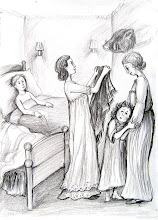
Koutsantoni exposes the fact that Virginia Woolf did not like to be “led by the nose… by authority” (75). When Woolf created her literary works she went against what the society of her time dictated. As a writer Woolf referred to the authoritative figure as the “aristocrats” and their mannerisms. Much of the dissatisfaction that Woolf experienced from this circle of people came from the way that they became oppressive and imposed themselves over the rest of society. In her rebellion, Woolf crafted her writings to demonstrate that she was opposed to their way of thinking. She used her writing as a way to expose and transmit the feelings that the public had. As a woman, Woolf was expected to surrender judgment and “defer to superior knowledge” (81). Because she was a woman that had power and authority over her life and her decisions, but was constantly under the oppression of men in power, she found that the best and only way to allow her anger and frustration toward the system that she lived under was to write and allow her characters to experience the same feelings she possessed. Because of the dominance that men had over the world that she lived in, she still experienced limited access to the academic institutions that were geared toward professional writers. In her creative mind Woolf allowed the female characters to be authoritative. Mrs. Ramsay was one example of authoritativeness. She was a dominating person, when she spoke whatever she said was done, and as Koutsantoni notes, even the figure of her and James on the window projects her as a woman with authority.
Reading this passage allows the reader to become more aware of the nature and point of view that Virginia Woolf had about her society. Understanding the oppression that she felt from people around her can help us better relate to Lily Briscoe’s character. Because of Woolf’s gender there were limitations in many of the things she could and would choose to do, like writing in an era where women were expected to be mothers and wives as opposed to artists. As she did these things she was criticized, with this in mind we are able to grasp the reason behind the thoughtful process and constant evaluation that Lily goes through in the novel when painting. Lily thinks about her ability to create art and her need for finishing her painting before marrying someone; the rest of the male and female figures presented in the novel do not dominate her. In the same manner Woolf allows herself to be in charge of her own life without letting the influence of others affect her decisions. When creating her painting Lily is criticized and oppressed by almost everyone, including Mrs. Ramsay. Lily looked up to Mrs. Ramsay and hoped to be able to someday become like her, but after realizing what that would automatically require, leaving her painting to tend to a husband and raise children, she opts for continuing in her path to self fulfillment. Through Lily’s artistic process, by proving to herself that she can accomplish her painting, the reader can view Woolf’s determination and stream of thought allowing him, the reader, to experience the narrative style she used in a more personal manner.
Showing posts with label societal pressure. Show all posts
Showing posts with label societal pressure. Show all posts
Friday, December 11, 2009

Tuesday, December 8, 2009
Balancing Artistic Vision With Societal Expectations
Briggs, Julia. Virginia Woolf: An Inner Life. Harcourt, 2005.
According to Julia Briggs in Virginia Woolf: An Inner Life, the character of the woman artist in To The Lighthouse was originally called Sophie Briscoe, and was described as “a kindly, rosy lady with a taste for hedgerows and cottages.” (166) Very soon, though, Woolf had re-created her artist as Lily Briscoe, a woman artist who embodied the characteristics of Woolf herself; modern, dedicated to her art, and driven by her need to paint, just as Woolf was driven by her need to write. Briggs examines the conflict that exists within Lily, between remaining faithful to her artistic nature and the societal pressure she feels to conform. Lily actually feels pressured to conform on two fronts. She strives to maintain her artistic vision, which differs radically from the popular style of the day, and she grapples with the societal expectations that a woman should be willing to give herself up to love and marriage. With respect to Lily’s artistic vision, Briggs observes, “Her art is at once agony and ecstasy, a rich inner resource and a refuge from social discomfort. She finds the act of painting all-absorbing, and the need to be true to her vision overrides any concern for its future survival.” (180) When Lily’s thoughts turn to love and marriage, Briggs notes that the contradictions in Lily’s mind mirror those of Woolf’s, “Lily Briscoe, like her author, rejects Mrs. Ramsay’s gospel of love and marriage, yet at the same time she could recognize its appeal, could ‘feel violently two opposite things at the same time…It is so beautiful, so exciting, this love…also it is the stupidest, the most barbaric of human passions’.” (172) Briggs points out that To The Lighthouse was an extremely personal book for Woolf, perhaps more so that any other of her works. Briggs writes, “Never had she put so much of herself into her writing. Not only had she re-created her parents and family life at Talland House, but in Lily Briscoe she drew her fullest portrait of the artist, a self-portrait that revealed how intensely and exclusively she lived out her writing.” (179)
Lily Briscoe embodies many of the most important, and most difficult, elements of Virginia Woolf’s life. Briggs does a very credible job of summarizing these various elements and observing the ways in which Woolf has incorporated them into Lily. Briggs also notes the connection between Lily Briscoe and the writer/character that Woolf will go on to imagine: “Lily is not merely a self-portrait; she is a portrait of the artist as woman, anticipating the portrait of the woman writer who would demand A Room of One’s Own, two years later.” (180) It is no secret that Woolf struggled mightily to balance the various roles of her life with her artistic drive. Woolf frequently seemed to feel that life intruded upon her art, and she despaired of ever finding a satisfactory equilibrium. Rather than creating Lily as an ideal, a woman artist uncompromised by these conflicts, Briggs shows us that Woolf invested Lily with her own efforts to reconcile the contradictions: “But life and art cannot be separated, and Lily recognizes that art feeds upon life, while life, in turn may be ‘susceptible, like a picture, to arrangement & order’.” (172) Many of these thoughts and feelings run through Lily’s mind while she is painting. It is as if the creative juices that allow Lily’s painting to flow also activate some kind of mental flow, as if Lily is an open channel through which a cascade pours. The stream of thoughts and the stream of painting seem to be inextricably linked, influencing and shaping each other interchangeably, just as Woolf’s narrative stream links her characters.
According to Julia Briggs in Virginia Woolf: An Inner Life, the character of the woman artist in To The Lighthouse was originally called Sophie Briscoe, and was described as “a kindly, rosy lady with a taste for hedgerows and cottages.” (166) Very soon, though, Woolf had re-created her artist as Lily Briscoe, a woman artist who embodied the characteristics of Woolf herself; modern, dedicated to her art, and driven by her need to paint, just as Woolf was driven by her need to write. Briggs examines the conflict that exists within Lily, between remaining faithful to her artistic nature and the societal pressure she feels to conform. Lily actually feels pressured to conform on two fronts. She strives to maintain her artistic vision, which differs radically from the popular style of the day, and she grapples with the societal expectations that a woman should be willing to give herself up to love and marriage. With respect to Lily’s artistic vision, Briggs observes, “Her art is at once agony and ecstasy, a rich inner resource and a refuge from social discomfort. She finds the act of painting all-absorbing, and the need to be true to her vision overrides any concern for its future survival.” (180) When Lily’s thoughts turn to love and marriage, Briggs notes that the contradictions in Lily’s mind mirror those of Woolf’s, “Lily Briscoe, like her author, rejects Mrs. Ramsay’s gospel of love and marriage, yet at the same time she could recognize its appeal, could ‘feel violently two opposite things at the same time…It is so beautiful, so exciting, this love…also it is the stupidest, the most barbaric of human passions’.” (172) Briggs points out that To The Lighthouse was an extremely personal book for Woolf, perhaps more so that any other of her works. Briggs writes, “Never had she put so much of herself into her writing. Not only had she re-created her parents and family life at Talland House, but in Lily Briscoe she drew her fullest portrait of the artist, a self-portrait that revealed how intensely and exclusively she lived out her writing.” (179)
Lily Briscoe embodies many of the most important, and most difficult, elements of Virginia Woolf’s life. Briggs does a very credible job of summarizing these various elements and observing the ways in which Woolf has incorporated them into Lily. Briggs also notes the connection between Lily Briscoe and the writer/character that Woolf will go on to imagine: “Lily is not merely a self-portrait; she is a portrait of the artist as woman, anticipating the portrait of the woman writer who would demand A Room of One’s Own, two years later.” (180) It is no secret that Woolf struggled mightily to balance the various roles of her life with her artistic drive. Woolf frequently seemed to feel that life intruded upon her art, and she despaired of ever finding a satisfactory equilibrium. Rather than creating Lily as an ideal, a woman artist uncompromised by these conflicts, Briggs shows us that Woolf invested Lily with her own efforts to reconcile the contradictions: “But life and art cannot be separated, and Lily recognizes that art feeds upon life, while life, in turn may be ‘susceptible, like a picture, to arrangement & order’.” (172) Many of these thoughts and feelings run through Lily’s mind while she is painting. It is as if the creative juices that allow Lily’s painting to flow also activate some kind of mental flow, as if Lily is an open channel through which a cascade pours. The stream of thoughts and the stream of painting seem to be inextricably linked, influencing and shaping each other interchangeably, just as Woolf’s narrative stream links her characters.
Subscribe to:
Posts (Atom)